The
England riots of 2011
What
caused the riot? And who was involved?

The riots
of 2011 in England were sparked by the killing of mark Duggan. He was a British
dad of 6 who had been heavily linked with drug dealing. The police had been
linked to the man because they knew of Mark Duggan relatiionship to the underground drug business. As well as him buying a gun just 15 minutes
before his death. Mark Duggan, after getting the illegal weapon got in a taxi. Armed police in unreserved cars followed the taxi, until they stopped mark
Duggan, he was known to have had a gun and this why the police shot and killed.
However, the controversy came because before he was killed, a jury heard that
he had in fact got rid of the gun. Although of this, the police were found
innocent of his murder on the 7th January 2014. This was after he was shot in Tottenham,
London, on 4th July 2011. It soon became an issue known worldwide,
especially with the upcoming Olympics being held in London.

 However the
killing of Mark Duggan was not the overall reason for the riots. Rioters and
others citizens of Britain, mainly those of working class, felt that they had
been taken advantage of by the government and the riots were started because
people believed that they were not being given equality. In the year prior to
the riots, the British government had become conservative. This is a right wing
political group, who had made promises that would later turn out to be lies.
This angered those in less fortunate economic positions because the government
began to raise taxes for all, however this left the working class in a position
where they barely had enough money to live.
However the
killing of Mark Duggan was not the overall reason for the riots. Rioters and
others citizens of Britain, mainly those of working class, felt that they had
been taken advantage of by the government and the riots were started because
people believed that they were not being given equality. In the year prior to
the riots, the British government had become conservative. This is a right wing
political group, who had made promises that would later turn out to be lies.
This angered those in less fortunate economic positions because the government
began to raise taxes for all, however this left the working class in a position
where they barely had enough money to live.
 The impact
of the riots was that people all over the world now saw London as a dangerous
place. This was a negative for the British as the Olympics of 2012 were soon
coming, and people wouldn't want to travel to watch the Olympics if there is a
big risk of danger. There was also an impact on the peoples who business had
been destroyed by the rioting. Many rioters seemed to be out just to cause
mayhem with no reasoning. They viewed a crowd of people like them being able to
commit crime without punishment and decided to take advantage of the situation.
The British media called this the ‘copycat criminals’. This was evidently true
as the riots spread from borough to borough across London until it initially
left London and become a national concern.
The impact
of the riots was that people all over the world now saw London as a dangerous
place. This was a negative for the British as the Olympics of 2012 were soon
coming, and people wouldn't want to travel to watch the Olympics if there is a
big risk of danger. There was also an impact on the peoples who business had
been destroyed by the rioting. Many rioters seemed to be out just to cause
mayhem with no reasoning. They viewed a crowd of people like them being able to
commit crime without punishment and decided to take advantage of the situation.
The British media called this the ‘copycat criminals’. This was evidently true
as the riots spread from borough to borough across London until it initially
left London and become a national concern.
Different social, political and economical aspects of the riots.
The riots
that took place in England form the 6th august till 12th
august can be viewed from many different angles. First being, the social impact
on the people of England. Businesses that had been destroyed were those that in the economic state were needed by the people to survive. Thousands pound worth of damage
caused, which in effect would be coming out of the pockets of those who
rioted, leaving the poor in a less fortunate position than before the riots.There was deaths related to the riots.One example is the death of 3 Muslims who were the victims of a hit and run which is suggested to be a racial attack. This was after the 3 men took to the street to protect there independent business.
The
political aspects of the riots were that it put immense pressure on the
government. David Cameron, the current British prime minister was on holiday
when the riots began and did not seek to return until after 10th august.
This was seen by the public to be an outrage; in the biggest crisis of his
career the prime minister was nowhere to be seen. In fact, there seemed
to be no control in his absence. Nothing was being done by the government,
which angered those of the public that weren't committing criminal acts. It
also added the pressure that, if the government are not reacting to the crises
then why not join the crisis. If there
are to be no consequences of destroying a city, day and night then why not join
in? These were the questions that those of the public were asking. A long with 'when will something be done?' 'When will it stop?' The pressure caused the
government to cancel all police holidays and called back parliament on 12th
august.
the economical aspect of the rioting was also severe. Due to businesses having to be closed people lost income, this meant people were unable to put back into the government. Resulting in the decrease of the economic state of England.
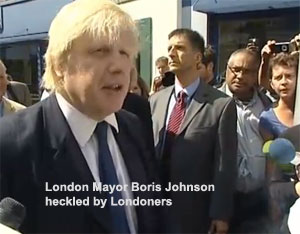
Who was under criticism?
"http://www.youtube.com/watch?v=BQksa-KSV4Y"
This video shows the riots in action. As well as showing the lack of police support provided by the government.

Very good information, just a few questions. did anything end up happening to the people committing these crime? and did any of the government representative aka the mayor and other such people have any negative outcome of these riots?
ReplyDeleteGreat blog! Who do you think is most at fault for this issue? Is it the police because of the murder, the government for raising taxes, the mayor for not committing to his job or the citizens for acting out? -Kayla
ReplyDeleteThose committing the crimes were later prosecuted with severe charges, there was one case in which a man who had been caught stealing a bottle of coca cola and was prosecuted for 5 months. However, it would be impossible to catch all of those that were involved due to it being a national crisis. Also, there was no negative outcomes for the mayor, except being disliked by more people in the country.
ReplyDeleteresponse to Kayla- For me, I believe that the fault of the riot was a mix of all. Firstly, the government raising taxes angered the public, leaving them with a reason to protest. However they shouldn't have resulted to violence. Change should be able to happen without resorting to violence. Some blame should also go on those in power, like the mayor because by not being present he wasn't committing to his job.
ReplyDeleteso were there any people prosecuted more heavily than others? and if so for what? and the guy who stole a bottle of coke, did he commit any other crimes to be prosecuted more heavily?
ReplyDeleteyes, those who were caught as arsonists would be charged more heavily than those caught for theft. There was a wide range of lengths of prosecution, ranging from community service to over a year.
ReplyDeletewhat was the overall outcome of the riots? expenses? safety hazards after the riots? and did any small out breaks of rioters occur after the main rioting was ended?
ReplyDeletethe overall outcome was that people were in fear of a new riot. the expenses of the riots was that it cost over 100 million pound for the taxpayers. That doesn't involve independent businesses that the riots put out of business. No there was no outbreaks of riots after.
ReplyDelete